Cold winters can put your garage door to the test. If your door isn’t built for low temperatures, you may notice drafts and higher energy bills. At Jammer Doors, we help homeowners in southeast Pennsylvania and central New Jersey choose garage doors that perform well year-round. Here, we break down the best garage doors for cold weather and what to look for before you buy.
Key Takeaways
- Insulation (R-value) plays a key role in energy efficiency and comfort.
- Steel and composite doors offer the best balance of durability and insulation.
- Weather seals and hardware are just as important as the door itself.
- Professional installation ensures proper sealing and performance.
Why Your Garage Door Material Matters in Winter
Your garage door is one of the largest openings in your home. In winter, it can also be one of the biggest sources of heat loss. An uninsulated or poorly sealed door lets frigid air pour in, makes the space unusable in winter, and drives up energy costs throughout your home.
The metric to know is R-value. This measures a material’s resistance to heat transfer. The higher the R-value, the better the door holds temperature. However, you also need to consider air infiltration. This includes drafts around the perimeter, through the bottom seal, or along the panel seams. A door with a strong R-value but bad seals will still let in chilly air and noise.
For most homes in southeast Pennsylvania and central New Jersey, a garage door with an R-value between 12 and 18 is the perfect balance between performance and cost. If you have an attached garage, a finished garage, or a living space above the garage, aim for a value at the higher end of that range.
Best Garage Doors for Cold Weather
Not all garage doors are the same. Some materials hold cold temperatures better than others, including:
Insulated Steel
Steel is the go-to for cold climates. It’s durable, low-maintenance, and available with either polystyrene or polyurethane insulation.
- Polystyrene: While polystyrene is more affordable and provides solid insulation, it doesn’t create as tight a seal.
- Polyurethane: This material is injected into the door for a denser fill. It has a higher R-value and better energy efficiency.
If insulation is your top priority, polyurethane-filled steel doors offer the best performance. They also add strength to your door, enhancing its long-term durability.
Composite
Composite doors combine materials like steel and engineered overlays to create a durable, insulated door with a traditional look. They’re a good fit for homeowners who want:
- Solid insulation
- Resistance to warping or cracking
- A decorative, carriage-house style
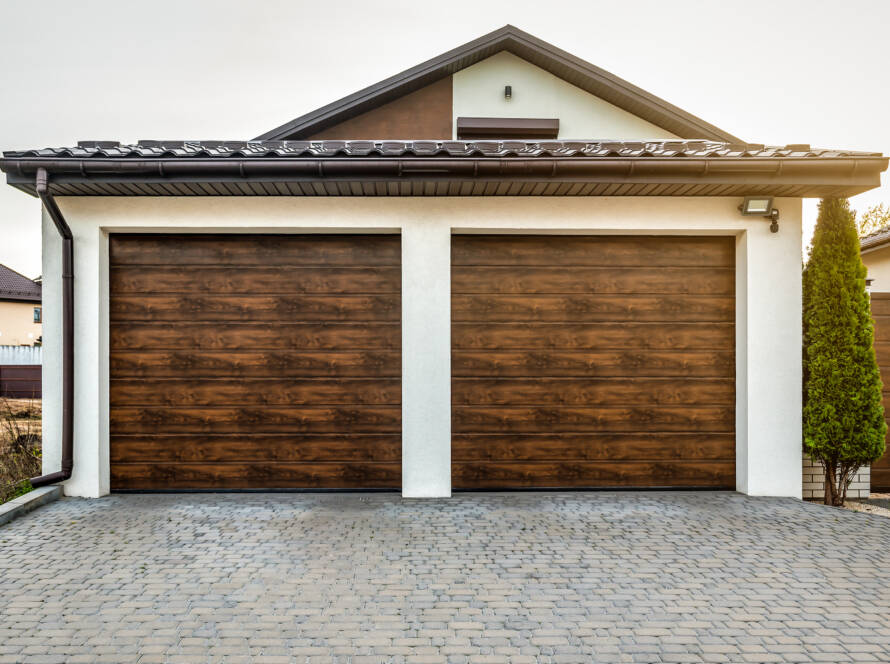
These doors give you the look of wood without the same level of maintenance. They’re very popular in neighborhoods where curb appeal is as important as performance.
Aluminum and Glass
Aluminum and glass doors are often chosen for their modern appearance. However, in cold climates, the key is looking for insulated double- or triple-pane glass and thermally broken aluminum frames. These prevent the metal from conducting cold directly into the garage. They’re a popular choice for detached garages used as workshops.
Wood and Engineered Wood
Wood doors offer a classic, high-end look. But they require more maintenance in cold and wet conditions. Wood can swell, crack, or warp with repeated freeze-thaw cycles if it’s not properly sealed and repainted. If you love the look of wood, engineered wood with a composite core offers more stability.
Essential Hardware and Seals
Even the best garage door won’t perform well without proper hardware and sealing. These components play a critical role in keeping cold air out. In the winter, the following details are essential:
- Bottom seals and threshold ramps that block drafts and keep water from pooling
- Perimeter weatherstripping along the top and sides that prevents air from sneaking in around the frame
- Cold-rated lubricants that keep rollers and tracks moving smoothly when temperatures drop
- Battery backup on smart openers that keeps your door working during power outages
Door balance also matters. A door that’s out of balance puts extra stress on the motor. At Jammer Doors, we check the balance and spring tension on every installation before we leave.
Why Choose Jammer Doors?
Choosing the right door is only part of the process. Proper installation and expertise matter just as much. Jammer Doors serves homeowners in southeast Pennsylvania and central New Jersey with:
- Clear timelines: We’ll walk you through lead times, so you know what to expect.
- Showroom access: We have two local showrooms in Lawrenceville, NJ, and Yardley, PA. You can see materials, finishes, and insulation options in person.
- Warranty-backed products: Our garage doors are made by trusted brands with strong manufacturer warranties, such as Raynor, CHI, Artisan, and Fimbel.
We are a local company that doesn’t use subcontractors. Our work is consistent because we know the weather patterns and use our in-house team from start to finish. If there’s a problem with your garage door down the road, we offer ongoing repair and maintenance services.
Get a Garage Door Built for Winter in Pennsylvania or New Jersey
Garage doors are an investment. The right garage door can improve comfort and reduce energy loss. If you’re ready to upgrade, Jammer Doors can help you choose the best garage door for cold weather in southeast Pennsylvania and central New Jersey. Contact us today to schedule a free consultation.
Garage Door FAQ
What R-value do I need for a garage door in a cold climate?
For colder regions, a higher R-value is recommended. Aim for R-12 or above if your garage is attached.
Do insulated garage doors reduce noise?
Yes. Insulated doors help reduce outside noise and vibration, making your garage quieter overall.
What maintenance keeps a garage door running smoothly in freezing temperatures?
Regular maintenance includes lubricating moving parts, checking seals, and clearing debris from tracks. Additionally, use cold-rated lubricants to help prevent stiffness in low temperatures.
Does Jammer Doors repair garage doors during the winter?
Yes. Jammer Doors provides residential garage door repair services in central New Jersey and southeast Pennsylvania. Our technicians can assess issues such as doors that will not open, doors that will not close fully, unusual noises, damaged parts, or safety concerns.
What garage door brands does Jammer Doors install?
Jammer Doors installs residential garage doors from trusted manufacturers, including Artisan, CHI, Fimbel, and Raynor. These brands offer a range of styles, materials, and performance options for different homes and budgets.