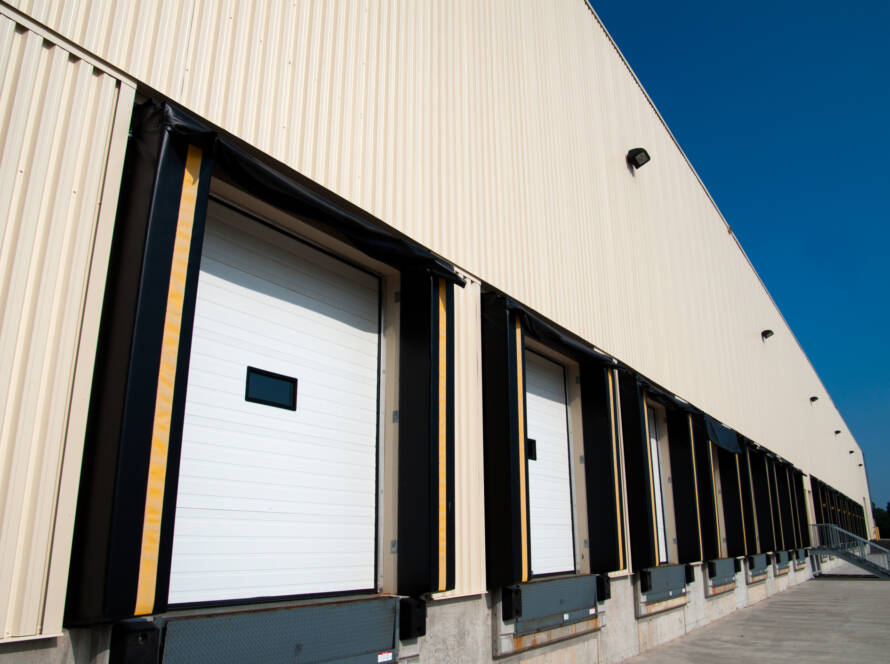
Commercial garage doors work hard every day. Whether you’re running a warehouse, service facility, or distribution center, your doors have a direct impact on safety, efficiency, and uptime. At Jammer Doors, we help businesses in southeast Pennsylvania and central New Jersey keep their doors operating reliably with custom maintenance plans and fast service. Here, we outline what to check, how often to do it, and when to bring in a professional.
Key Takeaways
- Daily and weekly checks take minutes and can catch small problems before they become expensive.
- Lubrication, hardware inspections, and balance tests should happen monthly and quarterly.
- A preventive maintenance contract can reduce your total cost of ownership over time.
Why Commercial Garage Door Maintenance Matters
Commercial doors are used more frequently than residential garage doors. That constant use leads to wear. Without maintenance, small issues can turn into major failures. Neglected commercial doors are liabilities that show up in three ways:
- Lost productivity: Unplanned downtime disrupts shipping schedules and delays service bays, which puts pressure on your team. A door that fails mid-shift can stop your operations entirely.
- Safety incidents: Commercial garage doors are heavy-tension systems. A worn cable or a misaligned track can cause serious injury.
- Code violations: The Occupational Safety and Health Administration (OSHA)requires that powered industrial doors be maintained in safe working order. Additionally, many local building codes have their own inspection requirements.
Staying on a regular maintenance schedule keeps you compliant and protects your people.
Maintenance Checklist and Frequency
The best way to stay ahead of problems is to follow a structured schedule. By breaking tasks into daily, monthly, quarterly, and annual checks, you can make commercial garage door maintenance more manageable:
Daily and Weekly
Your on-site team can often manage these quick checks. They take only a few minutes. Focus on safety systems first:
- Photo eyes: Make sure sensors are aligned and free of dirt or debris.
- Safety edges: Confirm they respond properly when pressure is applied.
- Obstruction tests: Place an object in the door’s path to ensure it reverses correctly.
These checks help confirm that the door will stop or reverse if something’s in the way. A short routine like this keeps your safety systems working as intended.
Monthly
A monthly walk-around catches wear before it turns into damage. Look closely at the hardware and moving parts:
- Inspect and tighten fasteners, brackets, and hardware.
- Check rollers and hinges for wear, cracks, or unusual noise.
- Inspect cables for any signs of rust, fraying, and kinking.
You should also perform a door balance test. Disconnect the opener, manually lift the door to about waist height, and release it. A balanced door stays put. If it drops or rises, it needs attention.
Quarterly
Every three months, go a little deeper. Lubrication and alignment are the priorities during these checks:
- Lubricate springs, rollers, and tracks with a lubricant specified for garage doors, not WD-40.
- Inspect track alignment. Gaps between the rollers and tracks or visible bends are indications that you need a repair.
- Test the operator’s force settings and auto-reverse function to confirm it meets safety specs.
These steps help maintain smooth operation and reduce stress on your door’s components.
Annual
At least once a year, schedule a professional inspection. A trained technician will:
- Perform a full system check.
- Review cycle counts and wear patterns.
- Identify parts nearing the end of their lifespan.
This level of inspection helps prevent unexpected failures and keeps your systems operating safely.
When Should You Replace Worn Parts on Your Commercial Garage Door?
Even with great maintenance, parts wear out. Knowing the signs keeps you from getting caught off guard:
- Springs and cables: Standard torsion springs typically last 10,000-20,000 cycles. Replace them at the first sign of visible wear, rust, or gaps in the coil. Never attempt this on your own.
- Rollers and bearings: Nylon rollers last 10,000 cycles. Replace them when they wobble, crack, or squeal after lubrication.
- Bottom seals and weather stripping: Cracked or flattened seals let in drafts, moisture, and pests. Replace them as soon as they no longer make solid contact with the floor.
- Operators, belts, and chains: Commercial-grade operators last 10-15 years with proper maintenance. Replace belts or chains when they show visible stretch, cracking, or slipping.
- Controls and backup batteries: Test battery backup systems regularly.
By replacing these components before they break, you can avoid downtime.
Essential Documentation and Training
Good maintenance habits don’t mean much if they aren’t documented. Keep a maintenance log for each door. This log should track:
- Inspection dates
- Issues found
- Parts replaced
- Technician visits
This creates accountability before and during safety audits and helps you spot recurring problems. Staff training is also essential. Anyone who operates or inspects your garage door should know how to run a safety test, what to look for, and when to call for service. You should also train your staff on tag-out procedures. When a door is out of service or under repair, it should be clearly marked and inaccessible to prevent accidental operation.
Find Commercial Garage Door Maintenance Services Near You in Pennsylvania and New Jersey
Commercial garage doors are critical for your daily operations. A consistent maintenance plan protects your equipment, your team, and your schedule. However, things can go wrong. When they do, you need a local partner who shows up quickly with the right parts and expertise. At Jammer Doors, we carry a full inventory of replacement parts with same- or next-day service options throughout southeast Pennsylvania and central New Jersey to minimize your downtime. Our team is trained to work safely on high-tension commercial systems.
Additionally, we build service contracts around your specific facility and door usage. Whether you have two doors or twenty, we’ll create a schedule that keeps everything running and your budget predictable. Contact us today to learn more about our preventive maintenance plans.