


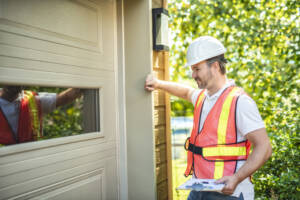
If you wake up one morning and your garage door is grinding, shaking halfway up, or won’t open at all, your first thought is probably how much the fix will cost. At Jammer Doors, we’ve helped answer that question for generations. We’re a family-owned company that has served central New Jersey and southeast Pennsylvania since 1920, and our in-house technicians repair residential garage doors of nearly every type. This guide explains what affects the cost to repair a garage door and covers simple ways to avoid surprise replacements down the road.
Key Takeaways
- Most repairs are less expensive than a new door, with the average repair costing around $265. Complex repairs may cost more.
- Springs and openers are the most common repairs, but trained technicians can often fix these issues in just a few hours.
- Labor rates vary by region, and after-hours or urgent service often costs more than a scheduled maintenance visit.
- If your door is older or needs constant repairs, replacing it may be more cost-effective.
- Regular maintenance and simple monthly checks can help prevent costly breakdowns.
- At Jammer Doors, our in-house technicians can diagnose the problem on-site. We keep common parts in stock to help reduce delays.
How Much Does It Usually Cost to Repair a Garage Door?
The honest answer is that it depends on what’s wrong. If your sensor is misaligned, it may take a technician only a few minutes to fix it. However, if a panel is damaged on a custom wood door, the repair may take longer. Most repairs are somewhere in the middle and are more affordable than you might think.
While costs vary, most homeowners can expect to pay a few hundred dollars for a garage door repair. Angi’s 2026 national repair guide reports an average of $265 across more than 42,000 repairs, with most falling between $155 and $379. It also estimates that it costs between $100 and $500 to repair a garage door opener.
You also need to remember that national averages can only tell you so much. Labor rates in central New Jersey and Bucks County often differ from what you’ll see in other parts of the country. Your cost can also be affected by part availability, especially for older homes or less common brands. When you contact us, we’ll come out to your home and inspect your door in person. That way, we can give you an honest and more accurate quote.
H3: Diagnostic, Labor, Parts, and Service-Call Fees
Understanding how a repair bill is put together makes it much easier to read a quote. While some companies combine everything into one flat price, others break out each charge separately. Either way, most quotes include these basic components:
- Service-call fees: Many companies charge a set fee to send a technician to your home. Some will apply it toward the repair if you decide to move forward.
- Diagnostic fee: This covers the time it takes to inspect your door and find the root cause of the problem. In many cases, it’s rolled into the service-call fee.
- Labor: This reflects the technician’s time and expertise. Jobs involving high-tension springs or extensive track work take longer, so they typically cost more.
- Parts: Some parts, like rollers and hinges, are fairly inexpensive. Springs and opener components tend to be more expensive.
If your quote doesn’t list these charges explicitly, don’t hesitate to ask. A reputable company will be glad to explain exactly what you’re paying for before they start any work.
What Factors Influence Typical Garage Door Repair Costs?
Now that you know how a repair bill is built, it helps to understand which repairs come up most often. Each one affects your total cost a little differently.
H3: Springs, Cables, Rollers, Tracks, and Panels
Springs help your opener lift your garage door, counterbalancing its weight as the opener raises or lowers it. Over time, they wear out from daily use. If your door suddenly won’t open, a broken spring is one of the most likely causes.
According to Angi’s 2026 data, spring replacements cost between $180 and $350, including labor. However, torsion springs often cost more than extension springs. Many technicians recommend replacing both springs at once to keep your garage door balanced.
It also helps to know which type of spring your door uses. Torsion springs mount on a bar above the door opening and twist to store energy. Extension springs run alongside the horizontal track and stretch as the door closes. Torsion springs generally last longer and provide smoother, more balanced operation, which is part of why they cost more to replace.
Cables help your springs raise and lower the door. Frayed or snapped cables can cause your door to hang unevenly or come off its tracks. Because cables and springs are always under high tension, these repairs should always be done by a professional. Cable problems often show up alongside spring issues, so a good technician will check both during the same visit.
Rollers and tracks guide the door as it moves. Worn rollers often cause noisy, jerky operation and are generally an affordable fix. Bent or misaligned tracks are a more involved fix, especially if your door has come off its rollers. If your door still has older steel rollers, it may be worth upgrading to nylon during the repair. Nylon rollers run more quietly and resist rust better, and the added cost is usually small.
Panels are usually the most expensive component to repair. You can sometimes fix a small dent, but a badly damaged section may need to be replaced. If you have an older or custom-designed door, we may not be able to find a matching panel. If so, you may need to replace your entire door. If your door model has been discontinued, your technician may need to source a close match, which can add time to the repair.
Openers, Sensors, Emergency Work, and Door Size
Sometimes the problem has nothing to do with the door itself. If your door won’t respond or reverses unexpectedly, the opener or its control system may be the cause.
Common opener problems include:
- Misaligned or dirty photo-eye sensors: These are often quick, low-cost fixes.
- Faulty remotes or wall controls: We can usually reprogram or replace these parts easily.
- Worn drive components: Gears, belts, and chains can wear out and may need replacement, which can be costly.
- Motor or circuit board failure: These repairs cost more. Sometimes, we may recommend replacing an older opener.
Opener repairs vary widely in cost, so it helps to have a technician check the entire system before deciding on the next step. Before you call for service, it’s worth checking a couple of simple things. Make sure the opener is plugged in and that the lock feature on your wall control, if it has one, isn’t turned on. These quick checks can sometimes save you a service call.
There are other factors that can affect your repair bills, such as scheduling and door size. Urgent or after-hours service typically costs more than a scheduled appointment. If your door is stuck open or won’t close securely, emergency service is usually worth the added cost because an open garage leaves your home and belongings exposed. Otherwise, scheduling service during regular business hours can help you save money.
Likewise, double doors and heavy custom doors need larger springs and stronger hardware. As a result, repairs on these doors often cost more than the same repair on a standard single-car door.
Repair vs. Replacement: What’s More Cost-Effective?
At some point, you’ll have to consider if it’s worth it to keep repairing your current door or if it’s time for a new one. The answer depends on a few key factors.
Safety, Age, Cumulative Repair Spend, and Warranty
Safety should always come first. If your door no longer reverses properly or has structural damage, replacement may be the safest option. Likewise, older openers often lack modern safety features, which means you might be better off replacing them.
You also need to consider the age of your door. A newer door with a single worn part should be repaired. An older door with multiple aging or broken components should be replaced, especially if it keeps breaking. A new door can also improve your home’s curb appeal and energy efficiency, especially if your current door is uninsulated and attached to your living space.
It also helps to track what you’ve spent on repairs. A repair here and there is normal. But if you’ve called for service several times in the past few years, those bills may be greater than the cost of a new door. A simple way to stay on top of this is to keep your repair receipts in one place. When the total starts to approach most of the cost of a new door, it’s a good time to request a replacement quote for comparison.
Lastly, check your warranty. Some parts may still be covered under the manufacturer’s warranty, which could reduce your repair cost. Keep your original paperwork handy, since many manufacturers require proof of purchase to honor a claim. By comparison, a new door comes with fresh warranty coverage on its parts and finish.
Compare Written Repair and Replacement Costs
When you’re on the fence, ask for both options in writing. Sometimes, seeing a repair estimate next to a replacement quote can make your decision easier. As you compare, consider:
- The total repair cost, including any parts likely to fail soon
- How many more years the repaired door is likely to last
- The improvements a new door offers, such as better insulation or updated security features
- Warranty coverage for both the repair and a new installation
An honest technician will tell you which option makes more sense for your situation. At Jammer Doors, we base our recommendation on your safety and the door’s long-term reliability.
How to Avoid Unexpected Garage Door Repair Costs
Nobody likes a surprise on their repair bill. Fortunately, asking the right questions and keeping up with basic maintenance can go a long way toward protecting your budget.
What to Ask During a Diagnostic Consultation
A diagnostic visit is your best opportunity to understand the problem and the cost to fix it. Before you approve any work, you should ask:
- What caused the problem, and could it happen again?
- Is the quote price a flat rate, or will it change based on time?
- Are the parts in stock, or will they need to be ordered?
- Are other parts showing wear that I should plan for later?
- What warranty comes with the repair and the replacement parts?
Getting clear answers to these questions can help you avoid hidden fees and plan ahead. They also give you a sense of how much a company values transparency.
Preventive Maintenance and Safe Homeowner Checks
Much like a car, a garage door lasts longer when it gets regular attention. Many issues start small, and catching them early is far less expensive than waiting for a breakdown.
There are a few simple checks homeowners can safely do on their own:
- Watch and listen: Push the button on your opener and remote to run your garage door. Look for jerky movement or listen for grinding sounds.
- Test the auto-reverse: To do so, follow the garage door opener manufacturer’s instructions, using the recommended test object and procedure.
- Check the photo-eyes: Make sure the sensors are cleaned and aligned, with the indicator lights on.
- Lubricate moving parts: Put some lubricant on rollers and hinges to keep your garage door running smoothly.
Leave anything involving springs or cables to a trained technician. These parts are under extreme tension and can cause serious injury. An annual professional tune-up covers these components safely and helps extend the life of your entire system. Many homeowners schedule their tune-up in the fall, since cold winter temperatures can put extra strain on springs and other metal parts.
Why Choose Jammer Doors for Garage Door Repairs?
When your garage door needs attention, it helps to work with a local team you know and trust. For 106 years, Jammer Doors has provided dependable garage door service to homeowners throughout central New Jersey and southeast Pennsylvania, including Mercer County and Bucks County.
Every repair starts with an on-site assessment. Our technician inspects the door to find the cause of the issue, then walks you through your options before we start any work. We keep many common replacement parts in stock, so we can often complete repairs during the same visit. If the scope of the job changes once we start, we’ll let you know right away.
All of our repairs are done by trained, in-house technicians, never subcontractors. That consistency means you get the same high standards on every visit. Our technicians also take the time to answer your questions and explain next steps, including maintenance plans that help keep your door in good shape between visits. Our team works on doors from trusted brands like Raynor, CHI, Fimbel, and Artisan, along with sectional, rolling, oversized, and custom doors. We also repair garage door openers, remotes, wall controls, safety sensors, and gate openers. Because we install many of the same brands we repair, our technicians understand how each system works. That knowledge helps them diagnose problems accurately and recommend lasting repairs.
Additionally, we offer garage door maintenance and replacement services, as well as new garage doors and openers. If you’re updating more of your home, we also install ProVia entry doors, storm doors, patio doors, and windows. Our showrooms in Lawrenceville, NJ, and Yardley, PA, let you explore your options in person, and our A+ Better Business Bureau rating reflects our commitment to honest, reliable service.
Contact Us to Get Your Garage Door Back on Track
Your garage door problem probably won’t get better on its own. If you don’t get it fixed right away, small issues can turn into bigger repairs over time. Whether your door is noisy or won’t work at all, Jammer Doors is ready to help. Our team will inspect your system and give you an honest quote before we begin. Call 609-983-4314 in New Jersey or 215-458-2749 in Pennsylvania, or contact us online to schedule your garage door repair today.
Frequently Asked Questions About Garage Door Repair Costs
Why is my garage door repair quote higher than the national average?
National averages combine thousands of jobs across different regions and door types. Your quote may be higher if you live in an area with higher labor rates or need urgent service. Additionally, larger doors and hard-to-find parts can increase the price. Ask your technician to walk you through each line item so you understand exactly what you’re paying for.
Should I replace both garage door springs at the same time?
In most cases, yes. Garage doors with two springs typically use springs that were installed together and have worn at the same rate. When one breaks, the other one probably will also within a few weeks. Replacing both at once keeps the door balanced and saves you the cost of a second service call down the road.
Is it safe to repair a garage door spring myself?
We don’t recommend it. Garage door springs hold a tremendous amount of tension, and making a mistake during removal or installation can cause serious injury. Professionals use specialized tools and have the training needed to wind and balance them correctly. Leave spring repairs to a trained technician to protect your safety and help ensure the door works properly afterward.
Will homeowners insurance cover garage door repairs?
It depends on your policy and what caused the damage. Many policies cover sudden damage, such as a storm or a vehicle striking the door. Normal wear and tear, like a spring that breaks from age, typically isn’t covered. Check with your insurance provider to understand your specific coverage before filing a claim.
How long does a typical garage door repair take?
Many common repairs, such as replacing springs or rollers, can be finished in a single visit if the parts are available. More involved repairs, like panel replacement or major track work, may take longer or require a follow-up visit once parts arrive. Your technician should give you an estimated timeline after diagnosing the problem.
How can I lower my garage door repair costs?
Regular maintenance is the best way to keep repair costs down. Test your door’s safety features monthly and lubricate moving parts a few times a year. Scheduling an annual professional inspection to catch worn parts early, instead of waiting for a full breakdown, can help you avoid more extensive repairs.