


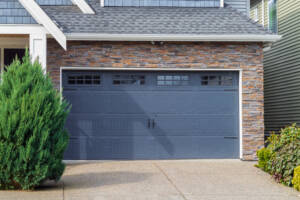
 Your garage door takes up a lot of your home’s exterior. Not only does it protect your vehicles and belongings, but it can also improve your home’s curb appeal. When it’s time to choose a new garage door for your home, you need to think carefully about the type you need.
Jammer Doors has helped homeowners in Southeast Pennsylvania and Central New Jersey select and install garage doors since 1920. As a fourth-generation, family-owned company, we offer residential doors from trusted manufacturers, along with professional installation by our in-house technicians. This guide walks you through the types of garage doors, so you can choose one that fits your home and budget.
Key Takeaways
- A new garage door can improve both the curb appeal and resale value of your home.
- An insulated door helps even out temperatures between your garage and your living space, which is helpful if they share walls or ceilings.
- Weather seals around the door’s edge and between sections help keep out drafts and moisture.
- Jammer Doors handles every step of the installation in-house. We use our own technicians, never subcontractors, to install and service doors from leading brands like Raynor, CHI, Fimbel, and Artisan.
How to Choose a Garage Door for Your Home
The best garage door complements your home’s design and can withstand daily use. Once you start with these two considerations, you can narrow your options down quickly.
Match Your Home’s Architecture and Daily Use
Your garage door should feel like a natural extension of your home:
- A traditional Colonial often pairs well with a raised-panel steel door.
- A Craftsman or farmhouse-style home suits a carriage-house design with decorative hardware.
- Modern homes look best with flush panels or aluminum-and-glass doors that emphasize clean lines.
Color and window placement also shape the overall look of your garage door. By matching your door to your trim, you can create a cohesive style. If you want your door to be a focal point of your home’s exterior, choose a contrasting stain or bold color.
Next, think about how you use your garage every day. If you use your garage as your home’s main entrance and open and close it multiple times a day, you’ll want to look for a durable and quiet door. Conversely, if you use the space as a workshop or home gym, you’ll probably want one that has insulation and lets in lots of natural light.
Set Budget and Determine Attached vs. Detached Garage Needs
When you set a realistic budget, you can focus on the options that make sense for your home. Your budget should cover the door, any opener upgrades, and professional installation. You’ll also need to consider whether your garage is attached or detached.
For an attached garage, you should consider:
- Insulation: An insulated door helps protect adjoining rooms from heat and cold, especially if you have bedrooms above or next to it.
- Quiet operation: A belt-drive opener and nylon rollers reduce noise.
- Security: Because the garage connects to your home, you’ll want to choose a sturdy door and a remote operator for added peace of mind.
With detached garages, you can be more flexible. Unless you heat the space or use it as a workshop, you don’t necessarily need insulation. If you want to add an automatic opener, you’ll need to make sure it has power outlets. Once you understand these needs, you can more easily compare styles and materials.
What Are the Types of Garage Door Styles and Materials?
Residential garage doors come in a wide variety of designs and constructions. You’ll want to choose one that matches the look and style of your home and is easy to maintain.
Sectional, Carriage-House, Contemporary, and Specialty
Most homes in our area use one of these garage door styles:
- Sectional: This is the most common residential option. Horizontal panels hinge together and roll up along tracks to rest parallel with the ceiling, making them a great fit for most garages, especially if you use them to store your car.
- Carriage-house: These doors capture the charm of traditional swing-out barn doors while operating overhead like a standard sectional door. They are often paired with decorative handles and strap hinges.
- Contemporary: These have flush panels and full-view glass sections to give modern homes a sleek, minimalist appearance.
- Specialty: If your garage has limited headroom, a rolling door may be a good option. This door coils into a drum above your garage door opening, which saves space. You may also opt for a tilt-up door that uses a single solid panel.
Many homeowners choose sectional doors because they’re reliable. Then, they select either a carriage-house or contemporary design to match their home’s style. Our team can help you compare options at our Lawrenceville, NJ, or Yardley, PA, showrooms.
Steel, Aluminum/Glass, Wood, and Composite
Your door’s material affects its strength and appearance, but it also influences how much maintenance it needs over time. Steel, aluminum, wood, and composite are the most popular garage door materials. The right material for your door depends on your home’s style and how much maintenance you’re willing to take on.
Steel is the most popular choice for residential garage doors. It offers excellent strength and low maintenance at a reasonable price. Insulated steel doors also improve energy efficiency. CHI, for example, offers steel doors in its Timeless, Contemporary, and Carriage collections, with insulated options and a wide range of colors and window designs.
Aluminum-and-glass doors let natural light into the garage and give contemporary homes a striking look. They resist rust and weigh less than many steel doors. However, they’re not as good at preventing heat transfer or loss unless you choose insulated glass.
Wood offers both warmth and unmatched character. For instance, Fimbel’s carriage-house doors come in six series with stain-grade and paint-grade designs. You also need to regularly refinish wood to protect it from moisture and sun, especially through our area’s harsh winters.
Composite and faux wood doors give you the look of natural wood with less maintenance. Artisan builds made-to-order doors in wood, composite, faux wood, and vinyl. You’ll have plenty of options if you’re looking for materials that resist rot and warping and still deliver a classic appearance.
What Should I Know About Garage Door Sizes, Insulation, and Safety?
Once you’ve decided on the style and material you want, it’s time to focus on fit and performance. You’ll want to choose the right size door for your home and find safety features that keep your space secure and easy to use.
Measure Width, Height, Headroom, and Side Room
Most residential garage doors come in standard sizes. Single-car doors measure eight or nine feet wide, while double-car doors are commonly 16 feet wide. Most garage doors are between seven and eight feet tall. However, if you have a truck or an SUV with a roof rack, you might want a taller door.
When you reach out to us for a consultation, we’ll schedule a home evaluation. During this appointment, we’ll measure your existing garage door opening to ensure the track and spring system will fit. These measurements include:
- Width and height: We’ll measure across and up from the finished opening.
- Headroom: This is the space between the top of the opening and the ceiling or lowest obstruction. Most tracks need about a foot of headroom. Some specialty rolling or tilt-up doors can require less.
- Side room: This is the wall space on each side of the opening. It must accommodate both the vertical tracks and the hardware.
- Backroom: This is the depth from the opening toward the back of the garage. This space must fit the horizontal tracks and the opener in some cases.
If any of these measurements are a little bit off, your door or hardware might not fit. That’s why our team begins every project with an on-site assessment.
R-Value vs. Air Sealing, Openers, and Safety Features
When you’re comparing insulated garage doors, you’ll often see an R-value listed. This number measures how well the insulation inside the panels resists heat flow, and a higher R-value means it’s better at insulating. However, it only describes the panels themselves. If the edges and joints of your door aren’t sealed well, your door can still let in cold air.
That’s why you also need to factor in air sealing. The bottom seal of your garage door should work together with weatherstripping around the perimeter and between sections to block drafts and keep out moisture. Some manufacturers also publish thermal ratings for the entire door, which give you a clearer picture of how insulating it is.
Your garage door opener is the next piece of the system you need to choose. If you have an attached garage near your living space, choose a quiet opener like a belt-drive opener. If you need something that’s more affordable and still dependable, choose chain-drive models.
Many newer openers also include smartphone control and battery backup for power outages. Our team can install an opener that’s compatible with your new door to ensure the entire system operates smoothly.
Finally, you should discuss any safety features or concerns with our team. Modern garage doors and openers include several features that can help protect your family and belongings, such as:
- Photo-eye sensors: These automatically reverse the door if a person or pet crosses its path while closing.
- Pinch-resistant panels: The joints between sections help keep fingers out of the way of the panels as the door opens or closes.
- Tamper-resistant bottom brackets: These help prevent the accidental release of high-tension components, such as springs, which can cause injury.
- Rolling-code remotes: These change the access code with each use, making it harder for anyone to copy your garage door’s signal.
Even with these features in place, garage door springs and cables are always under high tension. For your safety, any spring adjustments or repairs should be done by our trained professionals.
What Should You Plan for During Purchase and Installation?
Once you’ve chosen a door, ask for an estimate that explains what comes with it and what the crew will do on site. This helps you budget for the whole job and plan around installation day.
Cost Breakdown and Optional Upgrades
Garage door costs vary depending on the size and material you choose. A single-car steel door in a standard size is usually at the lower end of the range. Double doors, custom wood designs, and full-view glass doors are often at the higher end of the range. For perspective, the 2025 Cost vs. Value Report places the average garage door replacement at $4,501 in the Middle Atlantic region, which includes New Jersey and Pennsylvania, and $4,672 nationally.
There are several factors that influence the final price you’ll pay, including:
- Door size and material
- Insulation level and construction
- Windows and decorative hardware
- A new opener or opener upgrades
- Removal and disposal of your existing door
Optional upgrades let you customize your door. Popular choices include decorative windows, smart openers with smartphone control, keypad entry, and battery backup. When deciding which features you want, choose ones that balance style and security and fall within your budget.
Product Warranty, Installation Quote, and Maintenance
A good warranty gives you confidence that your new door will hold up to daily use for years. Coverage often varies by part, so the door panels may have one warranty while the springs and opener may have their own terms. You should also ask how installation affects your coverage because some manufacturers require a professional installer to keep the warranty valid.
Your installation quote is the next thing to review carefully. A detailed estimate that shows exactly what you’re paying for makes it easier to compare offers. Before you sign, make sure your quote includes:
- The exact door model, size, and insulation level
- Opener details, if you’re adding or replacing one
- Whether employees or subcontractors will complete the installation
- Removal and disposal of your old door
- Warranty terms for both the product and the workmanship
If any of these details are missing, don’t hesitate to ask. A reputable installer will be happy to walk you through each line item.
Once your new door is in place, regular maintenance helps protect it. Between professional visits, you can keep the tracks clear of debris and test the auto-reverse feature from time to time. You can also help your door run more quietly by lubricating the rollers and hinges. We also recommend scheduling an annual inspection or maintenance visit to help identify issues, such as worn springs or fraying cables, before they turn into a more costly repair.
Why Choose Jammer Doors for Residential Garage Doors?
When it’s time to choose a new garage door, work with a trusted local team, like us. For 106 years, Jammer Doors has provided quality products and dependable service to homeowners throughout Southeast Pennsylvania and Central New Jersey.
Our residential garage doors come from leading brands known for their exacting standards and durability. You can choose from Raynor steel and aluminum doors, CHI steel collections, Fimbel carriage-house doors, and Artisan’s custom wood and composite designs. We also install compatible garage door openers, so your entire system operates efficiently and closes safely.
Every project starts with an on-site assessment. Our team takes precise measurements and reviews your garage. Then, we recommend the best fit and give you a clear quote. Our in-house technicians then install your door according to the manufacturer’s specifications. Once your door arrives, we can complete most installations in a single day. After installation, we test the system thoroughly and show you how it works.
Our support continues after your garage door is installed. We offer garage door repair and maintenance services to keep your door operating smoothly, backed by a parts warehouse in Lawrenceville, NJ. We also provide ProVia entry doors, storm doors, patio doors, and windows, along with gate openers for residential properties.
Find the Right Garage Door for Your Pennsylvania or New Jersey Home
If you’re ready to upgrade your garage door, Jammer Doors is here to help you find the right option for your home and budget. Visit our showrooms to explore styles and types of garage doors in person or schedule an on-site consultation. Our team will measure your garage, discuss your goals, and provide a clear estimate. We’re proud to hold an A+ rating with the Better Business Bureau. Contact us today to get started.
Frequently Asked Questions About Residential Garage Doors
How long does a garage door last?
A quality garage door can last for decades with proper care. However, your door’s lifespan depends on the material and how often you use it. Regular maintenance and repairs can help extend your door’s life. If your door is rusty or has repeated mechanical issues, you should consider replacing your door.
Is an insulated garage door worth the price?
Yes, especially for attached garages. An insulated door helps maintain more consistent temperatures in rooms next to or above the garage. It also helps reduce outside noise. If your garage is detached, insulation may be less important unless you heat the space or use it as a workshop or for storage.
Should I replace my garage door opener at the same time?
If your opener is older or lacks modern safety features, yes. A new opener helps your new garage door system operate safely. Upgraded models are often quieter and allow you to use them from your smartphone. Our team can evaluate your current opener and recommend whether it should be replaced.
Can I install a garage door myself?
No. Garage door installation involves heavy panels and high-tension springs. If you handle those incorrectly, you could seriously injure yourself. The track also needs to be properly aligned, and the springs must be perfectly balanced. Otherwise, your garage door may not open and close properly. Additionally, some manufacturer warranties require that garage doors be professionally installed.
How often should my garage door be serviced?
Most manufacturers recommend a professional inspection about once a year. Between visits, you can test the auto-reverse feature and listen for unusual noises. If you notice any grinding or jerky movement, you should call a technician.
How long does a garage door installation take?
Once your door is available and in stock, we can complete most installations in one day. However, keep in mind that custom doors need additional manufacturing lead time. If we need to modify your opening or install a new opener, it may take us longer. When you reach out to us for a consultation, we’ll give you an estimated timeline along with your quote.